


Book Hands-On-Hives
-
Mobile Beehive – Premium Hire | Multi-Day Discount Available
Regular price £2,300.00 GBPRegular priceUnit price per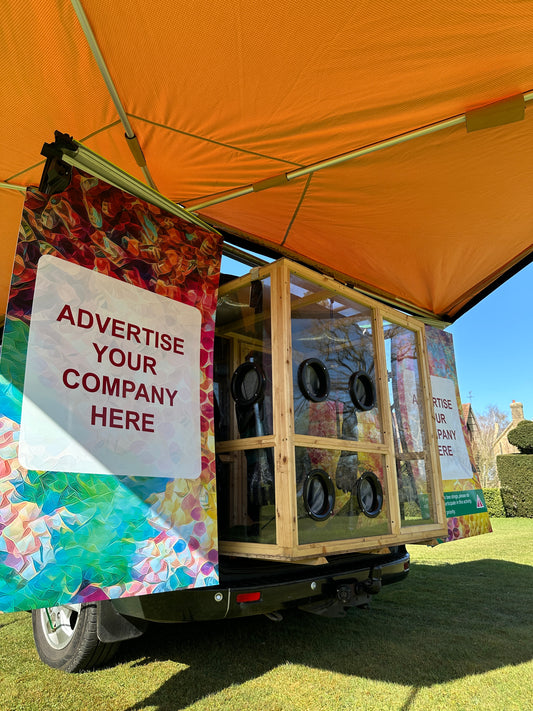
-
Mobile beehive full day - Basic| Multi-Day Discount Available
Regular price £1,850.00 GBPRegular priceUnit price per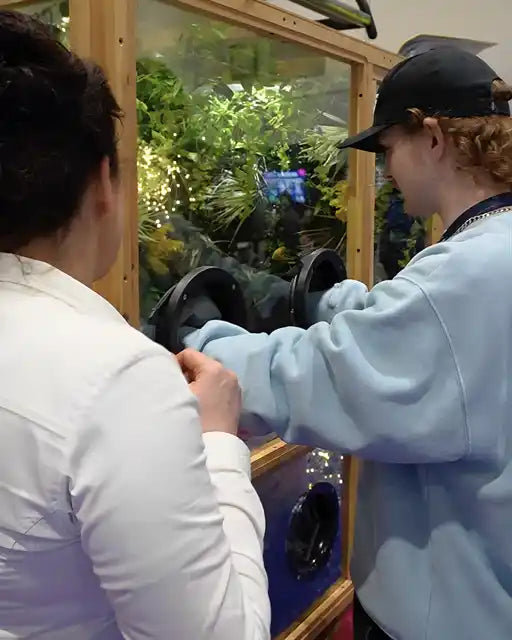
-
Mobile Beehive – Premium Hire | Multi-Day Discount Available | Charity
Regular price £988.00 GBPRegular priceUnit price per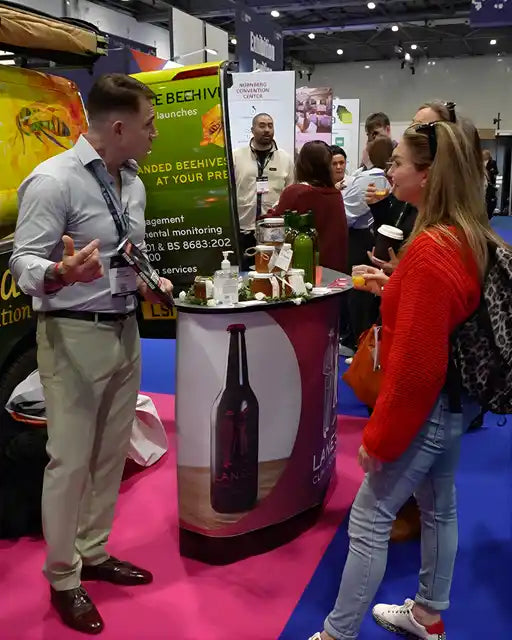
-
Mobile bee Hive - Half Day | Multi-Day Discount Available
Regular price £950.00 GBPRegular priceUnit price per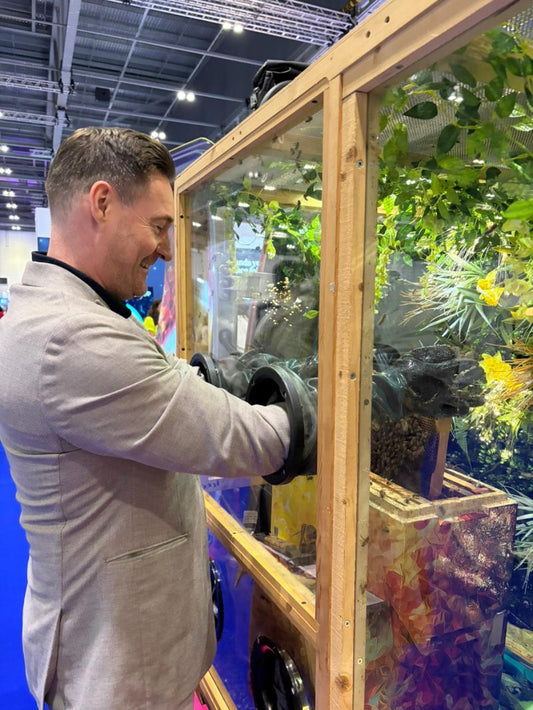
Climate Change and Bee Conservation

Why Bees Are Facing a Crisis — and Why It Matters to All of Us
Honeybees are arguably our most important commercially available pollinator. They are responsible for pollinating numerous food plants that make our diets more exciting and nutritious, including many fruits, vegetables, and nuts.
Beekeepers expect some of their bees to die off from season to season — typically around 17% annually. But in recent years, losses have been more than twice as high. Understanding the many factors stressing bees, and developing strategies to protect them, has never been more urgent.
“Bees pollinate over a third of the world’s food supply — yet bee populations have declined by more than 30% in some regions over the past decade.”
Pesticide Impacts
Questions about how pesticides affect honey bee health have spurred passionate debate. One key issue is whether neonicotinoids — a class of insecticides that affect insects' nervous systems — are contributing to widespread bee deaths. There are significant gaps in our knowledge, particularly around the impacts of pesticide combinations and how they affect developing bees.
Studies show that when bees have access to optimal nutrition, they are better able to deal with diseases and pesticides. But intensive farming and urbanisation have reduced the amount of forage available to bees. Planting diverse flowering species near crops can provide vital supplemental nutrition and help colonies thrive.
Climate Change
As global temperatures continue to rise, habitats are becoming unliveable for plants and animals alike. Irregular seasons disrupt the delicate timing between flowering plants and the pollinators that depend on them. Plants, insects, and animals share a deeply symbiotic relationship — when one is disrupted, the effects ripple through the entire ecosystem.
Currently, more than a third of insect species are endangered, including the honeybee. If species continue to disappear at this rate, the consequences for our food system — and global stability — will be severe.
Impacts of Honey Bee Losses
In 2006, beekeepers in the United Kingdom reported a mysterious affliction dubbed Colony Collapse Disorder (CCD), causing widespread die-offs. In affected colonies, adult worker bees completely disappeared, leaving behind plentiful brood and the queen. Scientists now agree that CCD was likely caused by a combination of environmental and biological factors, though nothing specific has been confirmed.
Today, beekeepers' biggest challenge is Varroa — a parasitic mite aptly nicknamed the vampire of the bee world. Varroa feeds on the hemolymph of adult and developing honey bees, transmitting pathogens and suppressing bees' immune responses in the process. Individual bees often host multiple mites simultaneously.
Honey bees are also exposed to viruses, bacteria, and fungi. Deformed wing virus (DWV), for example, causes wing deformities that prevent bees from foraging. Providing diverse forage resources — such as a variety of wildflowers — may help strengthen bees' natural immune responses.
The threats facing honey bees are interconnected — pesticides weaken immune systems, climate change disrupts food sources, and disease exploits the gaps. Tackling any one of these in isolation is not enough. A joined-up approach, combining habitat restoration, reduced chemical use, and urgent climate action, is the only path to long-term recovery.
How Can You Help?
You don't need to be a beekeeper to make a difference. Here are practical steps individuals and businesses can take:
- Plant forage seeds — especially varieties that bloom at different times of year — to provide year-round nutrition for pollinators.
- Buy sustainable, organic produce and reduce reliance on intensive farming supply chains.
- Use your influence to lobby governments and businesses to take meaningful action on climate change.
- Partner with us to sponsor a hive, transform your workplace into a thriving green space, and contribute directly to bee conservation efforts.
- Support our work directly through a donation — every contribution helps protect pollinators for future generations.
Want to learn more about our work? Read about our Objective & Vision and discover how we're making conservation practical, measurable, and meaningful.