

Bee Innovation
Pollen Test
Couldn't load pickup availability
Pollen Analysis Test
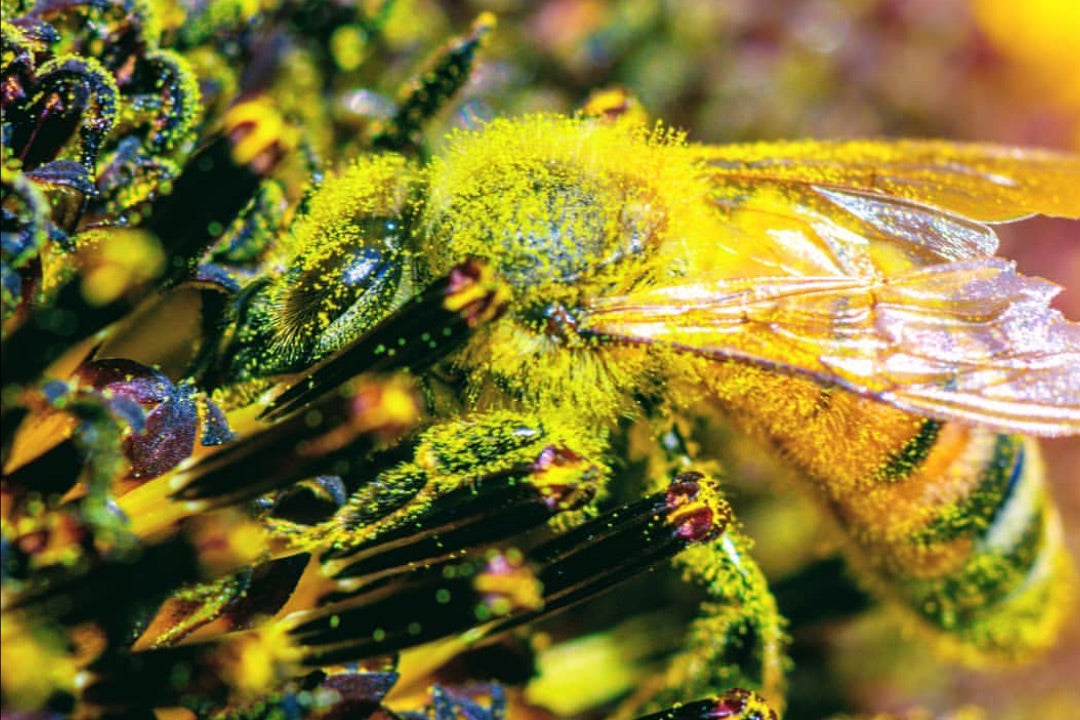
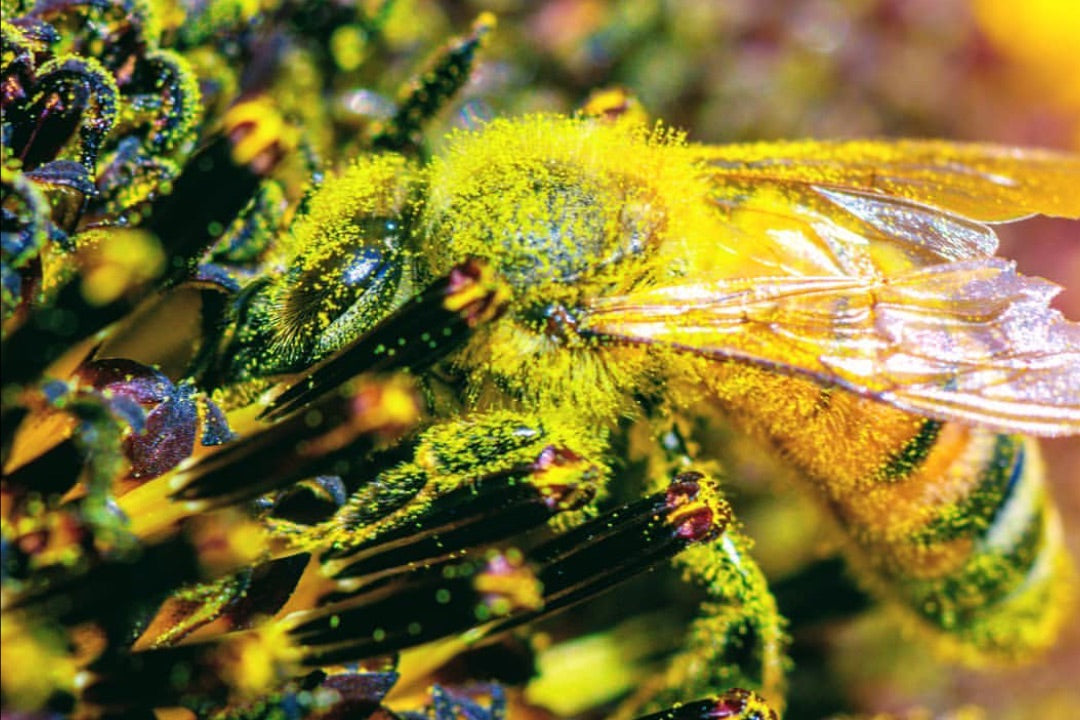
Pollen analysis is a highly effective method for detecting environmental contaminants transported through natural ecosystems. As bees forage across wide geographical areas, they collect pollen along with microscopic traces of pollutants such as heavy metals, pesticides, industrial chemicals, and agricultural fertilisers.
Because bees naturally interact with thousands of plant sources within their foraging range, they act as exceptionally reliable bioindicators—providing a broad, real-world snapshot of environmental conditions that would be difficult and costly to capture through traditional monitoring methods alone.
In addition to laboratory analysis, we also weigh the pollen samples, providing an important measure of foraging activity and environmental productivity. This adds an extra layer of data, helping to indicate changes in floral availability and ecosystem health over time.
Through advanced laboratory analysis of collected pollen, we can identify and map the presence of harmful substances and help trace potential sources of pollution within the surrounding environment. This offers valuable insight into environmental pressures affecting not only pollinators, but also wider biodiversity, ecosystems, and human health.
To ensure accurate trend monitoring and meaningful environmental insight, we require a minimum of 3 samples per year. This allows for seasonal variation to be captured and provides a more reliable understanding of changing environmental conditions over time.
The results support organisations in identifying local environmental risks, strengthening sustainability strategies, and taking informed, measurable action to reduce exposure to harmful pollutants within their operational area.